
Brazilian Counter-Strike in 2025: Weight of history heavy as fans await return to successful early days
One of the biggest commandments in esports is that Counter-Strike in Brazil is more than just a game. It's a cultural phenomenon and a significant force in the country's esports landscape, almost synonymous with the South American nation.
From falling in love with CS during its growing internet cafe era to enjoying success as one of the game's most decorated nations in its early competitive guise, Brazil has played a major role in the development and journey of one of the most beloved esports titles ever. The opposite has been true as well, with success in CS earning many players the status of national hero and stirring a sense of pride among fans, who continue to be one of the most vocal in the shooter’s modern history.
Counter-Strike has also given Brazil much support in terms of economic opportunities and sponsorships from prominent global companies, as the country’s track record has led to it hosting many important tournaments over the years, including the coveted Majors. The title's popularity and omnipresence in the nation's pop culture lexicon have also meant that the government has taken a lot more interest in regulating and managing CS when it comes to betting and managing the conveyor belt of talent.
Here's a look back at where and how this unique relationship began and the way it has evolved over the years and decades. It will also explain to readers why fans from Brazil are so fervent in their following and support of CS despite their recent performance being far from what they, and the world, have come to expect from its teams and players.
Early competitive CS success followed by fallow recent years
One of the earliest adopters of a game with a huge competitive upside at the turn of the millennium, CS's initial rise in Brazil was intrinsically linked to the proliferation of "LAN houses" in the early 2000s. These internet cafes doubled as accessible venues where people could gather, play games, and socialize, laying the groundwork for a relationship that would have a profound cultural impact on the country's psyche.
Valve's then-fledgling shooter had relatively low system requirements, focused on team play, and featured relatively simple mechanics (at the time, at least), making it easily accessible and a staple in these cafes. This created a strong communal experience; Counter-Strike was also a lot more approachable for beginners while offering endless challenges for veterans. This broad appeal was crucial in the first-person shooter penetrating various demographics.
What also helped to build a sense of community quickly was Valve's encouragement of modding and custom content. This further fueled the game's popularity in Brazil, allowing players to create their own maps and modes, deepening engagement within the community.
The high proliferation of players also meant that many Brazilians became highly successful professional Counter-Strike gamers in the title's early esports journey, as they enjoyed massive global followings. Of course, nowhere were they more revered than at home, where many top names attained celebrity status.
These early trailblazers helped Brazil burst onto the international Counter-Strike scene with incredible force. G3nerationX (g3x) was a significant force in the early to mid-2000s. Many players who later became part of mibr, including Alexandre "Gaules" Borba, started their professional careers or played for this side.
It had strong regional performances and also competed internationally. For instance, in 2001, g3x reached the World Cyber Games (WCG) main round, finishing among the top eight teams. Between 2001 and 2006, the side finished in the top two of various CS competitions 17 times, which included a whopping 13 wins, asserting itself as the country's top side.
The g3x roster would eventually be acquired by MIBR in 2007, competing under this name until it disbanded in the mid-2010s. Its members would go on to enjoy spells with various esports organizations, with its biggest export being Gaules, who has established himself as the name for Counter-Strike esports co-casting in 2025.
This also paved the way for sides like MIBR to enjoy success at events like the Electronic Sports World Cup (ESWC) 2006. We'll talk more about this team's journey a bit later.
Then there was FireGamers, which featured names that would become synonymous with Brazilian success in the Counter-Strike: Global Offensive era, like Gabriel "FalleN" Toledo, Lincoln "Fnx" Lau, and Bruno "BIT" Lima. It was dominant regionally, winning various editions of the World Cyber Games Brasil and the WCG Pan-American Championship 2010. The team also participated in global events like the Electronic Sports World Cup (ESWC).
In 2010, it was this very roster of FireGamers that would head north to sign with the American organization, Complexity Gaming. This version finished fourth at the World Cyber Games 2010 and won the IEM Season V American Championship Finals.
This success was vindication for the players, who had moved to the US for better opportunities and to perform at higher levels. After all, at that point, America had better facilities, paid much higher salaries, and provided access to competitions of a higher level, as the CS scene in the North American stronghold was much higher than in Brazil.
However, things still were not simple for the talented roster, as, despite its success, the team had a lot of obstacles to clear. Talented as the players were, they were still underdogs who faced financial struggles and had to work hard to get to the point they were at. This was never more apparent than when these CS players moved to Luminosity Gaming in mid-2015.
Things were so bad at one point that Luminosity Gaming's squad had to rely on donations and sharing beds to attend major tournaments. The team even launched a crowdfunding campaign to get to the ESL One: Cologne 2015 Major, once again highlighting the challenges faced by esports teams in the early days of professional Counter-Strike, particularly those from regions like Brazil.

Despite these troubles, the Luminosity Gaming lineup was especially dominant in 2016-2017. Led by FalleN and featuring players like Marcelo "Coldzera" David, Fernando "Fer" Alvarenga, and Epitácio "TACO" de Melo, the side displayed a "win no matter what" attitude, which resonated with fans and contributed to their popularity. The crowning moment for the roster came via victory at the MLG Major Championship: Columbus 2016.
The side wasn't done here, though, making it back-to-back Major victories at the ESL One: Cologne 2016 after switching allegiances to SK Gaming, cementing Brazil's place at the pinnacle of competitive Counter-Strike. It remains the only roster to win consecutive Majors under the banner of two different teams, a feat unlikely to be matched in today's hyper-competitive atmosphere.
Their sacrifices and eventual triumphs showed their countrymen that anything was possible. Today, things can’t be much farther from those days of players reportedly sharing beds while traveling and competing to cut costs. Brazil is one of the dominant names in the competitive CS segment and commands huge respect from fans, organizers, and viewers.
These pros even pioneered a "Brazilian Style" of play in the game, often characterized by aggressive, audacious pushes and incredible individual mechanical skill, sometimes at the expense of textbook strategy.
In 2025, the likes of FalleN and Coldzera are counted among the GOATs of the game and enjoy mythical statuses in their homeland. They are not just esports athletes but national heroes, inspiring countless young Brazilians to pursue gaming as a career or passion.
Their stories of overcoming humble beginnings resonated deeply with the Brazilian public. The success these pro gamers attained translated into a sense of national pride among fans, who are known to be almost maniacally passionate when it comes to the fields they love, like sports (especially football).
This fervor seamlessly translated into esports, especially for Counter-Strike. Even today, when Brazilian teams compete on the global stage, fans rally behind them with an intensity often compared to that of football matches, complete with drums, chants, and unwavering support. The yellow and green of the Brazilian flag are prominently displayed at international tournaments.

Brazil's success in the game has also opened the door for numerous Counter-Strike events, including Majors, to be held in the country recently. The biggest example is the IEM Rio Major 2022, which enjoyed massive in-person attendance but suffered a fall in viewership numbers due to the absence of a Brazilian side in the Grand Final.
Currently, while the nation is firmly on the map of CS events, not everyone is willing to invest heavily and consistently in regional events. A lack of success for Brazilian teams, coupled with local rules that might not be the most appealing to Valve, means there's still a way to go.
Nevertheless, the growth of Counter-Strike esports in Brazil also created significant economic opportunities for people, from professional players and coaches to streamers, content creators, event organizers, and sponsorships. The government even stepped in recently to regulate esports due to its substantial market size and the potential financial opportunities that accompany the industry.
Like everything in life, though, the good was followed by the bad. Although fans in Brazil remain as passionate as ever and the country continues to host major competitions like the Intel Extreme Masters Rio, its teams have not had the same kind of success in the game as their predecessors did.
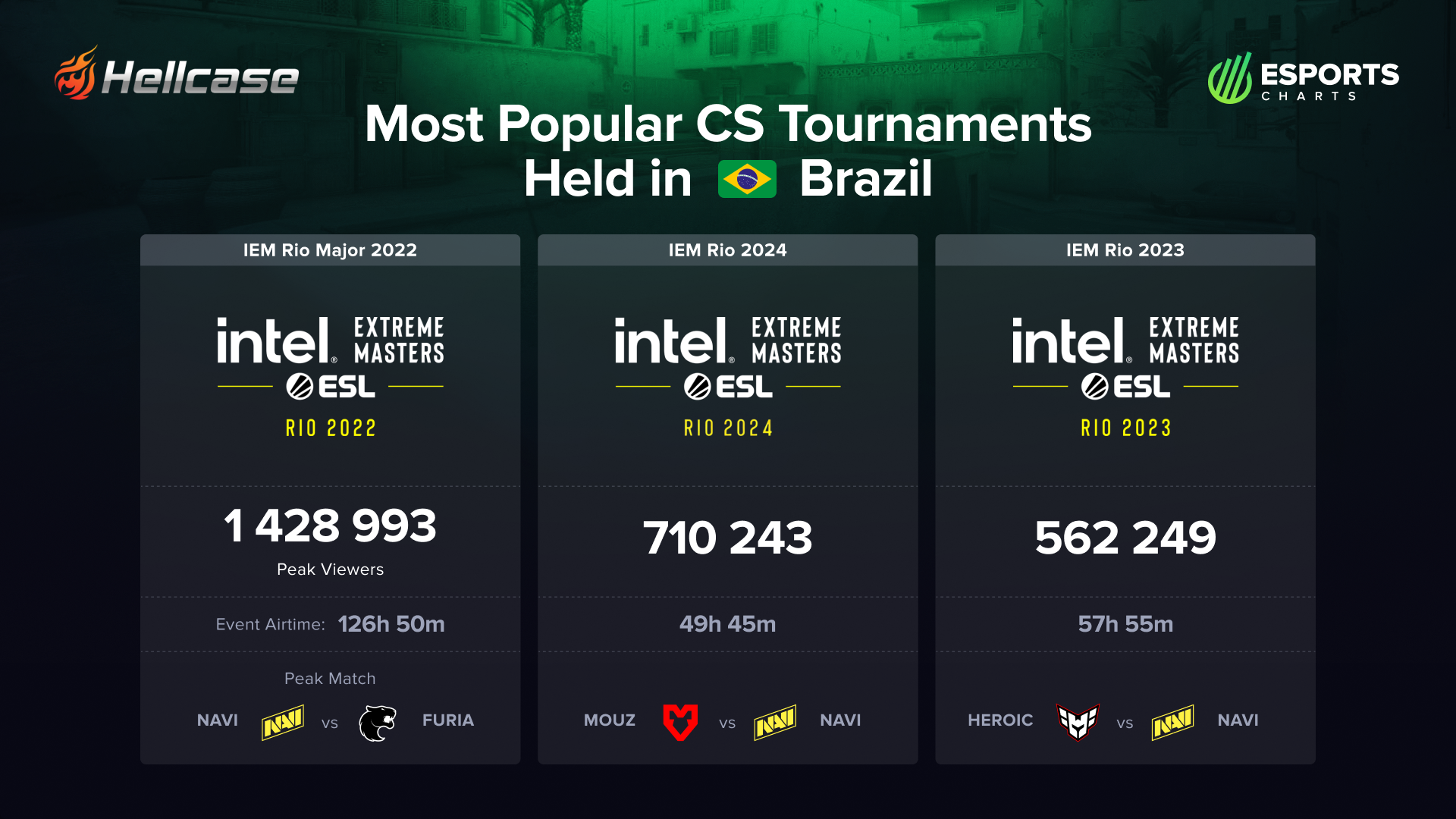
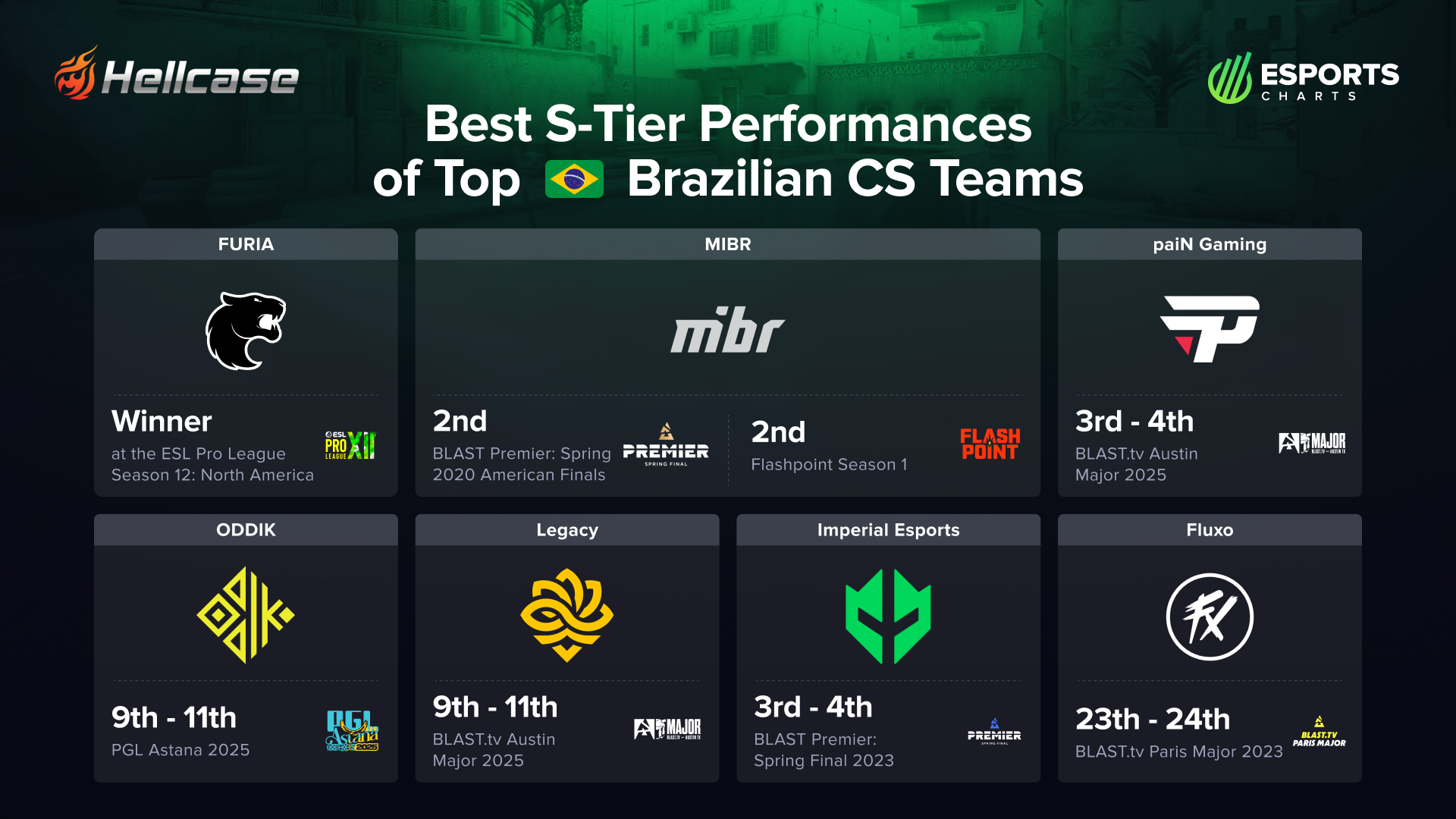
In fact, the two 2016 triumphs remain the nation's sole Major wins, meaning the drought has lasted almost a decade. While esports organizations have come and gone, with a few, like paiN Gaming, FURIA, and MIBR, enjoying massive fan support whenever and wherever they play, the results over the last few years have not reflected this backing.
The last win of note came back in 2020 when FURIA clinched the ESL Pro League Season 12 North America, an S-Tier tournament part of the circuit canceled due to the COVID-19 pandemic. Despite a thriving local scene that boasts an extensive grassroots esports scene with numerous local leagues, tournaments, and burgeoning talents constantly emerging, the country has been unable to end this winless run.
Top teams in Brazilian Counter-Strike esports
MIBR, paiN Gaming, and FURIA remain the flagbearers for Brazil when it comes to competitive CS. Even Imperial has consistently represented the world's seventh-largest country on the global stage, fostering new generations of players and fans.
mibr
Mibr, short for Made in Brazil, is a legendary name in Brazilian esports with a rich and storied history, particularly in Counter-Strike. It's not an exaggeration to say that this esports organization symbolizes a significant portion of the country's competitive gaming legacy, having left a massive impact on fans.
Originally founded in 2003 by Brazilian entrepreneur Paulo Velloso, the side was a trailblazer, establishing the groundwork for Brazil's future in competitive CS. It quickly became the premier Counter-Strike 1.6 team in the nation and gained international recognition, becoming the first Brazilian team to win a major international championship, the ESWC 2006.
This made players like Raphael "cogu" Camargo legends in the scene and cemented MIBR's status as an all-time side among fans. However, the organization disbanded in 2012, but didn’t stay away for long.
MIBR
Having kept fans waiting for six years, mibr returned to the competitive CS scene in 2018 after being acquired by Immortals Gaming Club, a US-based collective esports and gaming company. Despite being reborn with a slight tweak to the original name, MIBR retained the ethos of the original iteration that fans had come to love. It even signed the core of the hugely successful Luminosity Gaming/SK Gaming roster (FalleN, Fer, Coldzera, TACO, and Ricardo "Boltz" Prass/Jacky "Stewie2K" Yip), sending shockwaves through the Counter-Strike world.
Readers must note that Immortals Gaming Club's CS side, Immortals, had reached a Major final in Kraków in 2017, losing to Gambit Esports. However, it needed something extra to go the distance and be known as a winning entity. That is where the signing of the erstwhile successful Luminosity Gaming/SK Gaming squads made sense, as these players and mibr had a long-term impact and reputation in the country.
However, despite some decent performances and a few podium showings, MIBR struggled to consistently replicate the dominant form of their SK Gaming days. Its best performance has been a win at the ESL Challenger at DreamHack Melbourne 2024, while its best display at a Major over the past eight years is a couple of 3rd-4th place finishes at the FACEIT Major: London 2018 and the Intel Extreme Masters XIII - Katowice Major 2019.
These ups and downs notwithstanding, MIBR remains a powerful symbol of Brazilian Counter-Strike. It has also expanded to other shooters, such as Tom Clancy’s Rainbow Six Siege and Valorant, while the org operated teams in battle royale titles like PUBG and Free Fire for some time.
PaiN Gaming
PaiN Gaming, despite the lack of a legacy like MIBR's, has also forged a strong presence across multiple titles, establishing itself as a truly multi-gaming organization. Some of its other ventures have included games like League of Legends, Free Fire, Valorant, Rainbow Six: Siege, Dota 2, Clash Royale, and PUBG.
Founded in March 2010 by Arthur "PAADA" Zarzur, a former professional Dota 2 player, paiN Gaming is a trailblazer in several aspects of Brazilian esports. It was the first esports organization in Latin America to establish a gaming house, a dedicated facility where players live and train together. This set a precedent for professionalizing esports in the region.
It was also among the first esports organizations globally to launch a fan membership program, demonstrating its early understanding of community engagement and building a loyal fan base. PaiN Gaming has also cultivated a strong reputation for developing new talent within the Brazilian esports scene, often serving as a stepping stone for aspiring players to reach the international stage. It even has an academy system.
Undoubtedly, paiN Gaming is a fundamental pillar of Brazilian esports. Its pioneering efforts, consistent success across multiple titles, and deep connection with its passionate fanbase make it one of the most influential and enduring organizations in the country's competitive gaming landscape.
FURIA Esports
Last but not least, FURIA Esports is a relatively newer but incredibly impactful Brazilian esports organization that has rapidly risen to global prominence. It has captured the hearts of global fans with its distinctive aggressive play style and strong Brazilian identity.
FURIA was founded in February 2017 by businessman Jaime Pádua, professional poker player André Akkari, and Cris Guedes, the celebrity designer and influencer. It quickly gained traction for its bold and aggressive philosophy, both in its gameplay and brand. This was never more evident than in its Counter-Strike teams, which became synonymous with an "aggressive" or "chaotic" playstyle, an ethos that resonated deeply with the passionate and often "carnival-like" nature of Brazilian fans.
Like the other names mentioned earlier, FURIA consistently competes in top-tier S-Tier events, although its results have been mixed. It did rank within the top 10 at events like IEM Dallas 2025 and PGL Astana 2025 and reached the semifinals of the IEM Rio 2024 and the Quarterfinals of the BLAST.tv Austin Major 2025 (arguably its best ever result).
Most crucially, the rivalry between FURIA and MIBR has been a classic in Brazilian Counter-Strike, often producing highly anticipated and fiercely contested matches.
FURIA has also dallied with rosters in Valorant, Rocket League, League of Legends, PUBG Mobile, Rainbow Six: Siege, Apex Legends, PUBG, and Street Fighter. It recently expanded to non-esports ventures by entering the highly successful Kings League universe, with FURIA FC headed by football superstar Neymar Jr and Cris Guedes, who have been good friends for a long time.
Ironically, Neymar has a big Counter-Strike connection, with his gameplay and skills impressing many, especially during the COVID-19 lockdown era. Videos of Brazil's all-time top goalscorer playing with and even embarrassing pros went viral and remain some of the abiding memories of that time.
Getting back to the Brazilian CS teams, we must mention the likes of Legacy, Imperial Esports, Fluxo, and ODDIK. These names form a pool of aspiring sides that participate regularly at lower-tier events, although each has had a dalliance with the top level, and more exposure to such tournaments will only help them get better and perhaps take the country back to its mid-noughties heyday.
Local Counter-Strike scene in Brazil
In the noughties, some of the best talents in Brazil were lucky enough to get financial support from organizations in North America and flew to the US. Meanwhile, the rest of the talents kept at it by playing as many events held locally as possible, hoping to get the kind of recognition that could skyrocket their careers.
Things have become a lot more streamlined in 2025, as Brazil has a pretty rugged system that can smell out talent early due to the robust esports structure that spans all levels of competition. Things are not always smooth, however, and we will be exploring this facet of the nation's Counter-Strike scene here.
Apart from the abovementioned events belonging to the S-Tier, there are regular tournaments held in the lower rungs that act as a feeder to the top organizations and a breeding ground for upcoming talents to polish their game. Leading the charge in providing such opportunities are organizers like Gamers Club, CBGE, BTSBrasilTV, FERJEE, LnK Gaming, Coliseum, and Aorus League.
These companies regularly host CS tournaments, which might not necessarily pay the best money, but the competition fostered among teams helps upcoming players hone their craft. The pressure these talents face here also aids in preparing them for a shot at the big time, should such an opportunity arrive.
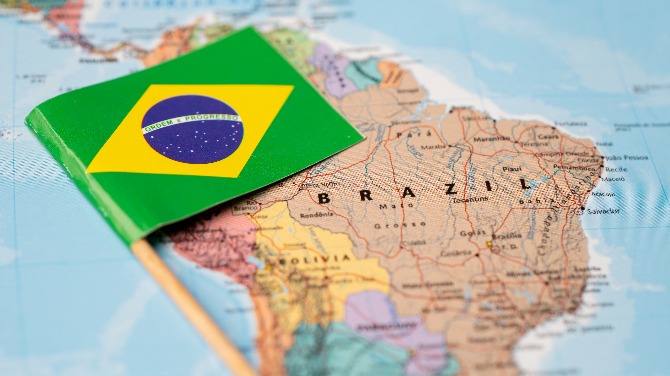
One of the biggest recent changes that undoubtedly affected the game at all levels in the country was the government's significantly expanded betting regulations. These rules now include a wider range of esports titles, including Counter-Strike 2, Valorant, and Fortnite.
This move came after the Brazilian Ministry of Sports conducted a public consultation early in 2025 to identify the most popular esports modalities in the country (Counter-Strike ranked first). This engagement was a commitment from the government to support and regulate the esports sector, aiming to make Brazil a global powerhouse in both traditional and digital betting markets.
After much discussion, the change in betting regulations was enacted through MESP Ordinance No. 36 on April 23, 2025, and removed the prior restriction that only recognized games by the International Olympic Committee were eligible for betting. This was a seismic shift as it opened a massive new market for legal wagering on these highly popular titles, not doubt further boosting the esports industry in Brazil.
However, with these regulatory changes also came the need to ensure the integrity of esports. As a result, Brazilian sports betting operator EstrelaBet, in partnership with Sportradar (a global sports data and integrity firm), launched the country's first dedicated sports integrity initiative in esports in June 2025. It focuses on educating players, coaches, and club staff about the risks of match-fixing and betting-related manipulation through workshops and training.
This proactive approach to integrity was seen as a positive step towards a more professional and trustworthy esports environment in Brazil, especially as the betting market grows. The lower rungs, where prize money might not be that high and participants might not come from the best financial backgrounds, will especially benefit from this initiative.
Esports sponsorship in Brazil remains unaffected, although lower tiers could do with more support
Sponsorship for competitive video gaming, especially in top titles like Valorant, CS, and Free Fire, can be a highly lucrative business in Brazil. In terms of top-tier events, globally recognized brands such as Red Bull, Betway, Lenovo, Monster Energy, and 1xBET serve as major sponsors. Many of these names have even partnered with teams, players, and competitions, creating a relationship where both parties can benefit.
One of the more left-field partnerships came in 2018 after MIBR was taken over by Immortals. An early sponsor partnership announced was with Tinder, which involved several digital and live campaigns and activations focused on the dating app's premium subscription services, Tinder Plus and Tinder Gold.

Even at the lower levels of Counter-Strike, sponsorships, although understandably harder to find, remain life-changing. Be it brands for gaming and computer peripherals (Pichau, Redragon), computer hardware (Gigabyte Technology), fast food (Nissin), or online merch (Rank1), they continue to support and prop up these events.
Such associations go a long way in keeping the production line of talent in Brazil going, as there is no shortage of tournaments across the country. Participation not only helps these players gain experience, match sharpness, and recognition but also provides them with a solid financial base upon which to pursue their professional gaming careers.
Viewership and content creation of Counter-Strike in Brazil
When it comes to content creation, nobody in the world is bigger than Gaules, who attracts massive audiences. A literal one-man show for the game's coverage back home, his livestreaming numbers often rival, or even surpass, official language broadcasts.
The iconic former professional CS player has built a devoted "tribe" of fans who follow his every broadcast, which has helped to solidify the game's presence in Brazilian popular culture. It is safe to say that, in 2025, if Gaules is not covering the matches of an event, its viewership potential is unlikely to be reached, especially if Brazilian sides are participating.
The success of Gaules and other Counter-Strike streamers like Jean "Michel" D'Oliveira and Marcelo "wastzera" Augusto has also meant that Portuguese viewership contributes a significant chunk of the game's overall audience reach.
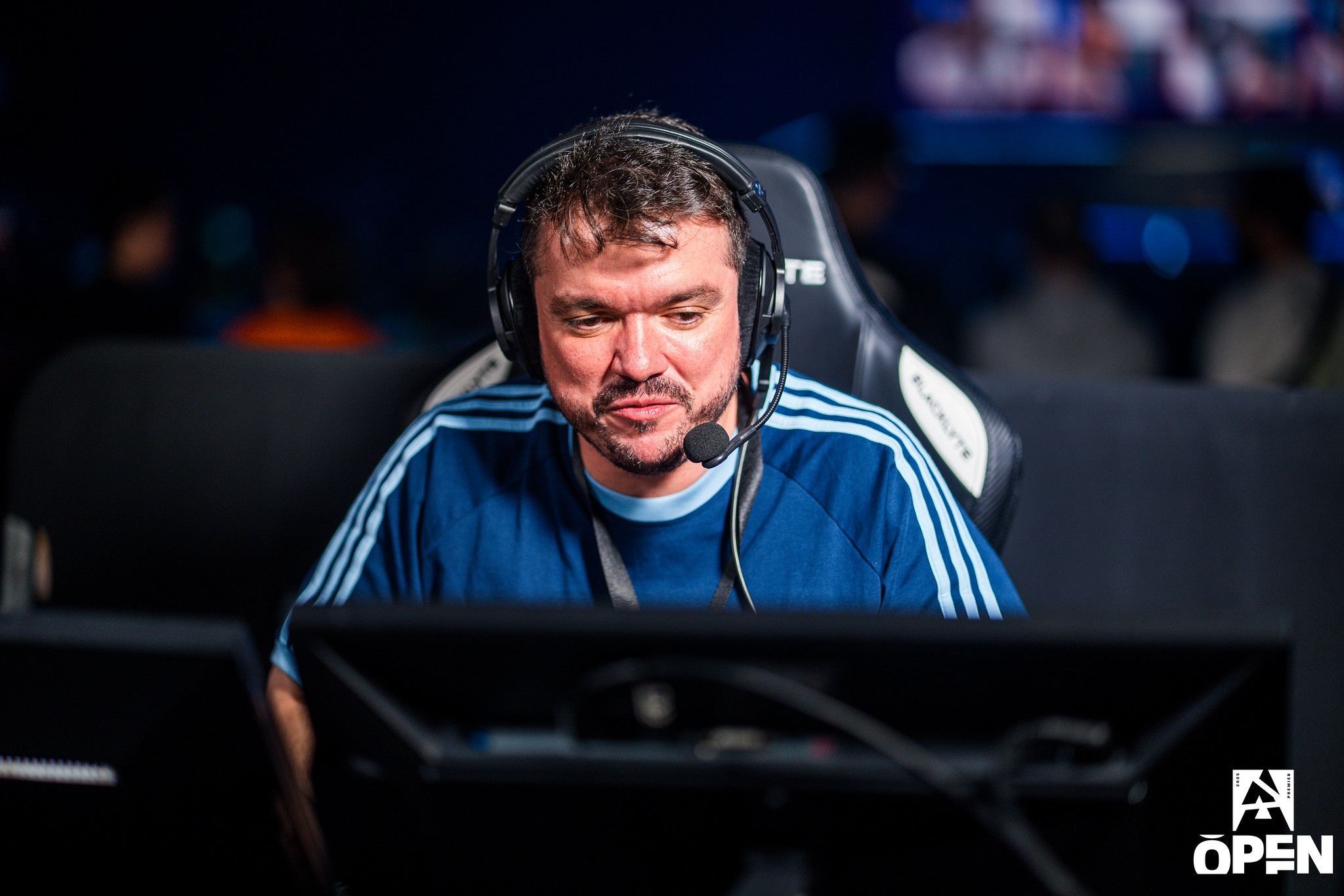
At a time when co-streaming is reshaping the way Counter-Strike Majors are watched by fans globally, Portuguese (led by Brazilian Portuguese) has been one of the languages leading this revolution. Alongside the other two key broadcast languages, English and Russian, it has collectively accounted for a vast majority of the game's global esports audience.
Such improvements in audience reach despite a lack of tangible success from its teams are a testament to the love that Brazilians have for the game. It's a source of pride, entertainment, and a pathway for many to achieve international recognition, making it genuinely synonymous with Brazil in the world of esports.
The recent BLAST.tv Austin Major 2025, which featured six Brazilian teams, saw some amazing displays from the country's representatives. PaiN Gaming, FURIA, and Legacy put in some top-notch performances to finish in the top 11 and remind the world why the nation remains a Counter-Strike hotbed. If they can continue doing well for the rest of the year, it could lay down a marker for the 2026 second and beyond.


