
From debut to world finals: Delta Force’s first esports year reviewed
Delta Force spent the past year growing from a promising reboot into a fully fledged competitive ecosystem. After its late-2024 arrival, the game quickly found momentum thanks to steady developer support, regular content updates and a clear intention to build something bigger than a domestic Chinese scene. What started as a regional hit expanded fast: tournaments began appearing across Asia, North America and Europe, and the esports calendar gradually filled out with qualifiers, invitational events and publisher-backed showcases.
Crucially, the competitive push hasn’t come from the developers alone. Delta Force found its way into broader esports circuits such as the Asian Champions League, proving that outside organizers also see long-term potential in its large-scale modes and distinct identity within the FPS genre. By the time the inaugural season approached its final stretch, the game already looked like a title building a global footprint rather than testing the waters.
With the 2025 Delta Force Invitational: Warfare in Hanoi closing out the year, it’s a fitting moment to look back at what the game achieved across its first full competitive season and what these foundations might mean for its future.
2025 season in review
When Delta Force entered the market, the publishers didn’t wait for the game to “mature” before touching esports. The competitive ecosystem grew in parallel with the game itself: early updates, server expansions and new modes arrived at the same time as regional qualifiers and the first experimental competitions. Instead of treating esports as a marketing stunt for launch week, the developers made it clear they intended to build a long-term structure from day one.
A lot of what shapes Delta Force happens long before tournaments go live, and the official website is where those developments show up first. Patch details, roadmap updates, mode overhauls, esports announcements and new collaborations all land there as soon as they’re ready, making it the most direct way to follow how the game and its competitive ecosystem continue to evolve.
That decision defined the entire year. Rather than hosting a single flashy LAN and disappearing until the next marketing beat, the Delta Force team committed to a season-driven format with recurring tournaments, multiple qualification paths and continuous visibility across regions. The Delta Force Invitationals alone set the tone: a spring event and the September Invitational for Operations mode, and now the year-ending DFI: Warfare in Hanoi. Layered on top of that were regional leagues, cross-server qualifiers and side events that kept teams playing for months rather than weeks.
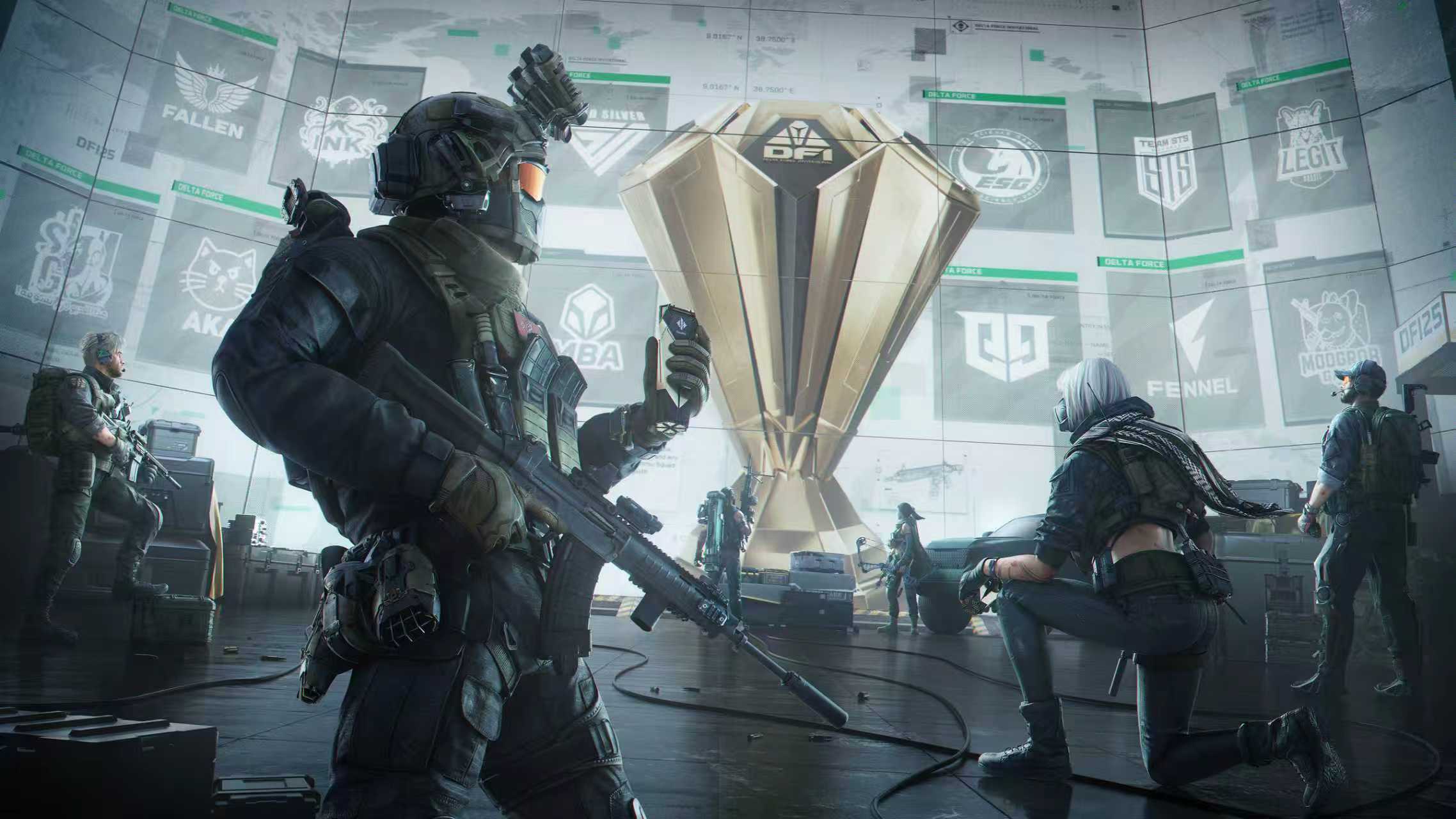
What’s also important, the ecosystem didn’t rely exclusively on the publishers. Third-party organizers began adopting Delta Force early, with the Asian Champions League becoming the clearest example. The tournament blended multiple FPS titles into one competitive circuit, and Delta Force found itself featured alongside established names: a sign that external organizers see potential worth investing in.
Players reacted almost immediately. The game’s largest fall qualifier cycle registered over a thousand squads, an unexpectedly high number for a title in its first competitive year. And this wasn’t padding from casual teams: many lineups arrived representing existing esports organizations or multi-title clubs, giving the competitive field depth from the start.
Sponsors followed the momentum just as quickly. The Delta Force Invitationals secured partnerships with brands like AMD, Zowie, Pepsi-Cola and Razer, putting big commercial names directly behind the game’s early esports efforts. That level of backing is rare for a debut season and reinforces the sense that the scene is expanding faster than a typical first-year FPS.
All of this competitive growth worked only because the game itself kept evolving at the same pace. Delta Force spent the year rolling out a steady stream of updates, balance passes and high-profile collaborations, making the experience sharper for veterans and more inviting for new players who might eventually step into esports.
Game updates and evolution
Throughout the year the developers kept the game in motion with a rhythm of updates that shaped how both casual players and competitive teams experienced it. New operators, map refinements, vehicle adjustments, better squad tools, cross-platform improvements arrived steadily enough to make the game feel alive rather than static. Even the big collaborations and themed content drops played their part: they pulled new players in, kept existing ones engaged, and strengthened the audience pipeline that any young esports ecosystem depends on. The result was a title that never sat still long enough to feel dated, giving pros and would-be pros a constantly evolving sandbox to compete in.

Anti-cheat was an equally important pillar, and Delta Force approached it with consistent enforcement from the start. Tencent’s ACE system ran in constant cycles, with tens of thousands of cheating accounts being flagged and banned in regular waves. Some weekly reports listed over twenty thousand sanctioned accounts, sending a clear message to the community: competitive integrity wouldn’t be negotiable. Coupled with fixes to spectator tools and server stability improvements, the game gradually built a reputation as a place where high-level play was actually protected.
***
By closing out 2025, Delta Force had achieved its core objectives for a first season. The shooter proved immensely popular (tens of millions of players) and successfully launched an international tournament circuit, from online qualifiers to offline world finals. High-level play has already emerged and viewership momentum is building. The development roadmap remains on track: new content is slated each quarter, which will keep the meta evolving for pros.
Looking ahead, Team Jade’s renewed focus on FPS games suggests continued investment in Delta Force esports. We can expect more polished tournaments in 2026, expanded regional leagues and further technical improvements to solidify Delta Force as an ongoing competitive franchise in the global shooter landscape.

Detailed Esports data at your fingertips.
Subscribe to & start exploring!


